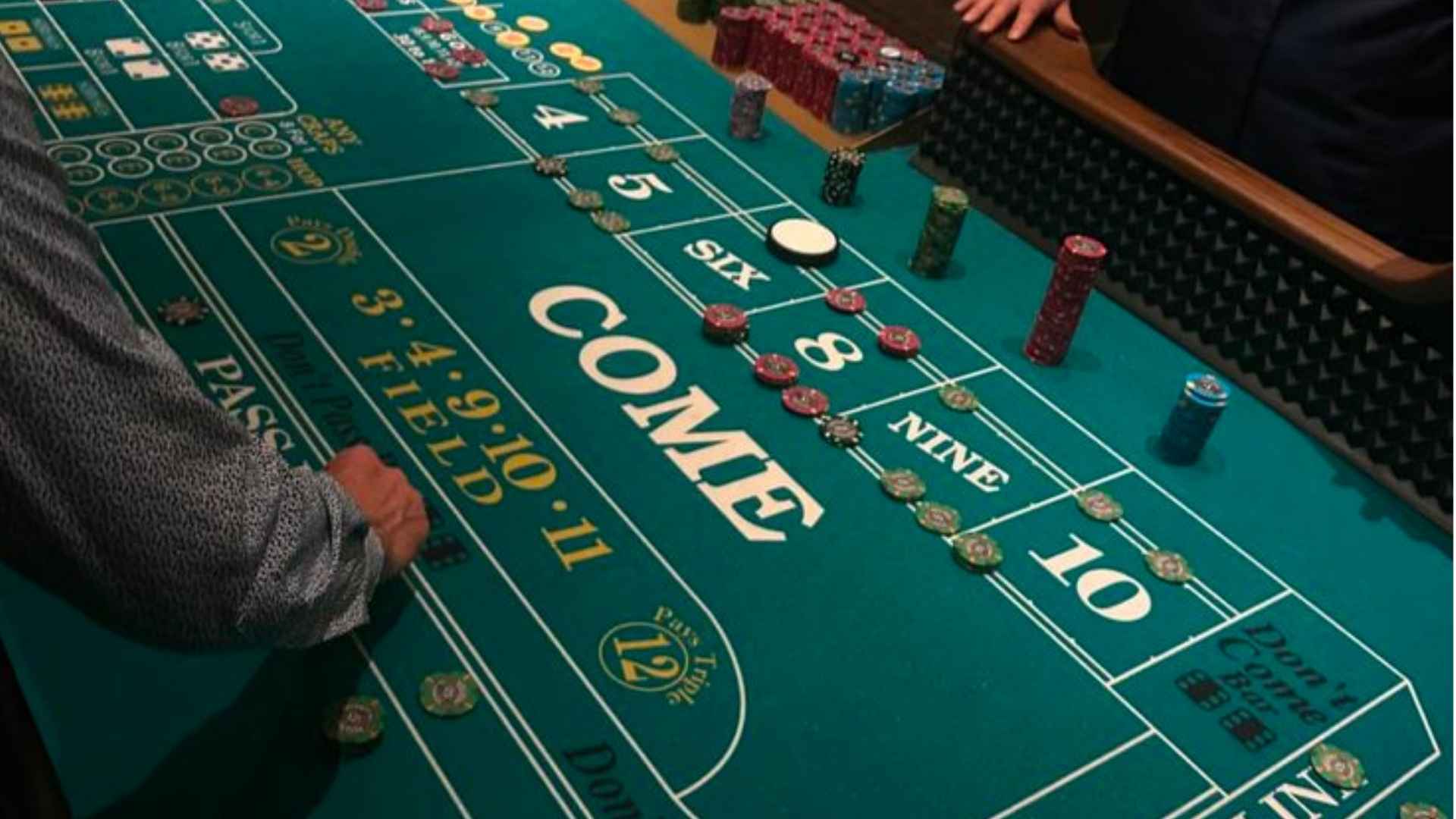
The transformation of classic card games from casual pastimes into enduring symbols of high society highlights a fascinating intersection of culture, psychology, and design. Long before modern entertainment became digitized, gathering around a green felt table required a unique blend of intellectual focus and social etiquette. These early gaming traditions established a refined framework that elevated card play into a prestigious social ritual across various centuries.
The Architecture of Private Salons and Social Status
During the eighteenth and nineteenth centuries, European aristocratic societies gathered in exclusive salons where table games served as critical hubs for networking. The physical environments were meticulously organized to separate high-stakes participants from the general public, creating an aura of luxury and deep concentration. This isolation reinforced the perceived importance of the activities, making presence at the table a clear indicator of status and influence.
Furthermore, the strict behavioral codes governing these rooms minimized outward emotional displays and emphasized mutual respect. Players who demonstrated intense emotional restraint and calculated financial courage were highly celebrated among their peers. This polished atmosphere permanently attached a reputation of elegance to traditional card matching and strategy games.
Intellectual Rigor and Mathematical Nuance
Unlike simple games of pure chance, classic table variants captivated analytical thinkers because they demanded continuous mental calculation. Participants had to memorize historical dealing patterns, track fluid point reduction systems, and constantly evaluate probability distributions in real time. This requirement for strategic depth transformed an ordinary deal into an active test of intellectual capability and decision-making power.
Developing an advanced table awareness allowed seasoned enthusiasts to read the subtle behavioral patterns of opponents before choosing to commit capital. Modern enthusiasts looking to experience this legacy can access sophisticated digital tables by checking out 中環m88 to explore contemporary options. This transition from manual mental calculations to automated digital layouts preserves the fundamental tactical tension that has fascinated thinkers for generations.
The Shared Risk of Shared Table Positions
The structural layout of historical card formats heavily relied on community participation and rotating responsibilities among players. In early European configurations, the financial burden of backing the table was decentralized, requiring individuals to take turns acting as the banker. This dynamic mechanism shifted the psychological environment from playing against an institution to directly competing with table peers.
Physical seating arrangements also dictated the exact order of action, creating natural information asymmetries that clever participants exploited. Acting early forced individuals to make commitments with minimal data, while late positions granted a complete view of the room's strategic intentions. This complex relationship between spatial placement and financial risk added a layer of psychological warfare that cemented the game's prestigious status.
The Lasting Legacy of Manual Gaming Customs
The tactile customs of handling a physical deck and managing manual card distribution remain vital components of traditional casino history. While automated machinery maximizes raw transaction velocity on modern floors, the deliberate cadence of a manual shuffle creates an authentic atmosphere driven by human touch. This rhythmic performance establishes trust and allows players sufficient time to process tactical options without feeling rushed by software algorithms.
Ultimately, uncovering the history of these traditional customs explains why classic variants continue to command immense respect in both physical and digital spaces. By balancing rigorous mathematical structures with elegant social protocols, early card tables successfully redefined casual entertainment into a symbol of prestige. This enduring legacy ensures that the sophisticated nature of traditional card play remains universally recognized today.