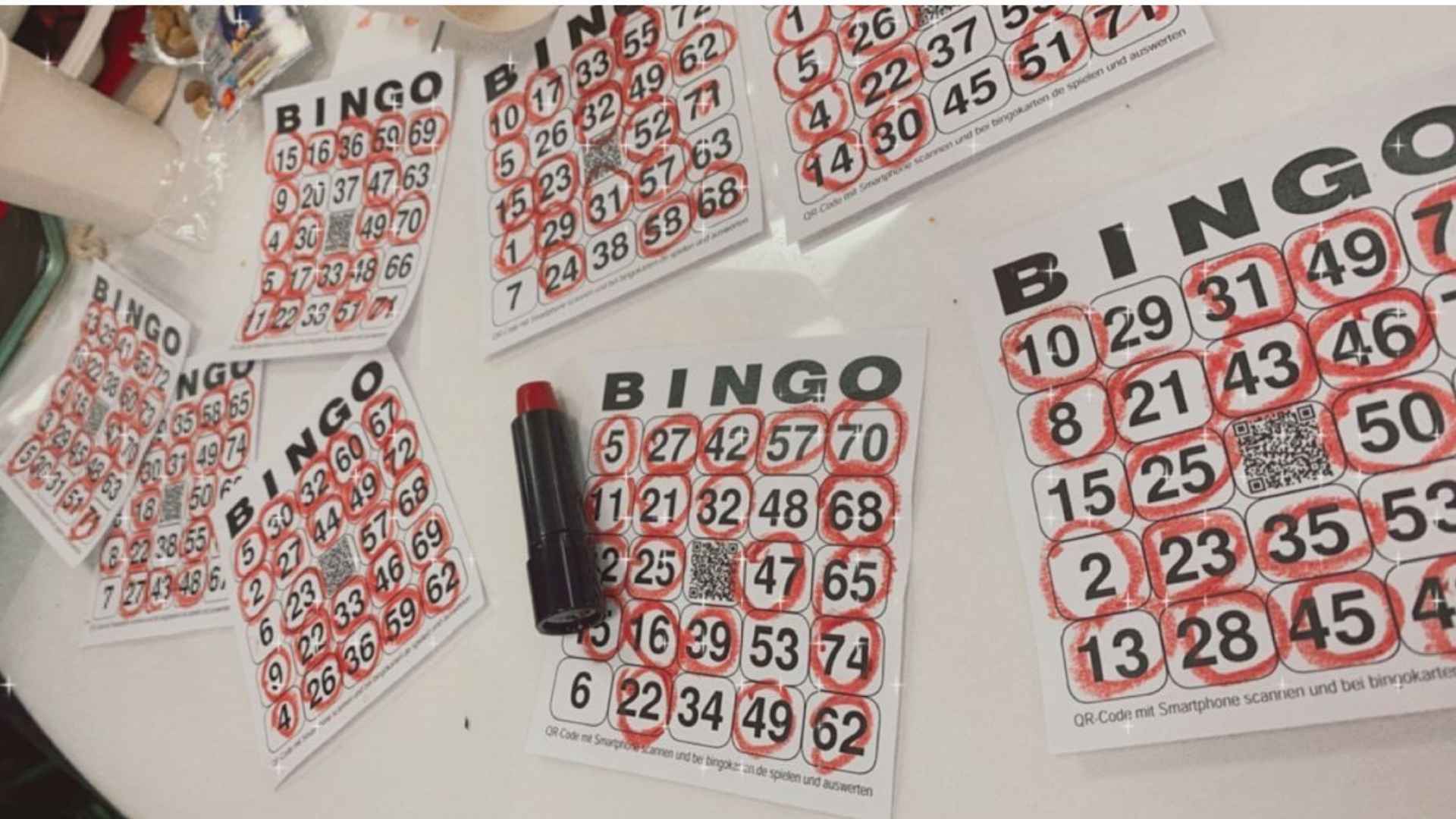
Engaging in activities that challenge our mental boundaries is a proven method to sustain cognitive longevity and sharpness. Among various options, games that rely heavily on mathematical chance offer a distinct playground for testing dynamic choice architectures under severe uncertainty. By shifting our perspective from luck toward statistical reasoning, we can train our brains to react more adaptively to complex real-world challenges.
The Dynamic Link Between Risk and Reasoning
Probability-based games demand that players constantly evaluate moving variables and shifting mathematical odds in real time. This active processing forces the human mind to abandon superficial knee-jerk reactions and embrace structured data analysis instead. Over time, this consistent mental exercise strengthens overall problem-solving capabilities and structural analytical agility.
When individuals participate in these challenges, they naturally train their neural networks to minimize the emotional impact of variance. Finding a balanced platform or using a secure M88 link alternatif can provide an immersive environment to study data distributions objectively. Cultivating this measured approach ensures that your cognitive faculties remain balanced even when facing highly unpredictable scenarios.
Sharpening Working Memory Through Statistical Calculation
Many traditional logic challenges rely on absolute certainty, which can sometimes lead to repetitive, rigid thinking styles. Conversely, tracking independent and dependent events requires high levels of focus and memory retention as conditions change. Players must remember previous occurrences while simultaneously recalculating the likelihood of future outcomes.
This continuous tracking effectively increases cognitive flexibility by forcing the brain to update its assumptions immediately. As new parameters unfold on the board, the mind learns to let go of outdated schemas and adopt valid data. This fluidity is highly beneficial for everyday decision-making, where unexpected updates are common.
Overcoming Cognitive Biases and Fallacies
Human intuition is naturally prone to systemic mental traps, such as believing that past outcomes directly dictate future independent results. Engaging with structured chance activities helps expose these persistent illusions by demonstrating the raw reality of pure mathematical distribution. Witnessing these random patterns helps individuals build a healthier relationship with everyday uncertainty.
By systematically breaking down complex scenarios into logical ratios, players move past defensive, fear-based patterns. This shift from emotional guesswork to calculated forecasting forms the foundational backbone of effective risk management. Consequently, the mind becomes far more resilient against common cognitive biases that hinder daily productivity.
Practical Implementation for Daily Agility
You do not need an advanced mathematical degree to start incorporating these analytical principles into your normal lifestyle routines. Simple tabletop exercises utilizing basic dice mechanics or traditional card draws offer an excellent starting framework. The core objective should always be tracking distribution patterns rather than seeking perfect predictions.
Maintaining absolute consistency with these small exercises transforms abstract statistical formulas into highly practical mental tools. By prioritizing structured play, you can seamlessly elevate your general analytical capacities while enjoying immersive entertainment. Ultimately, the systematic practice of navigating mathematical chance yields significant rewards for long-term cognitive health.