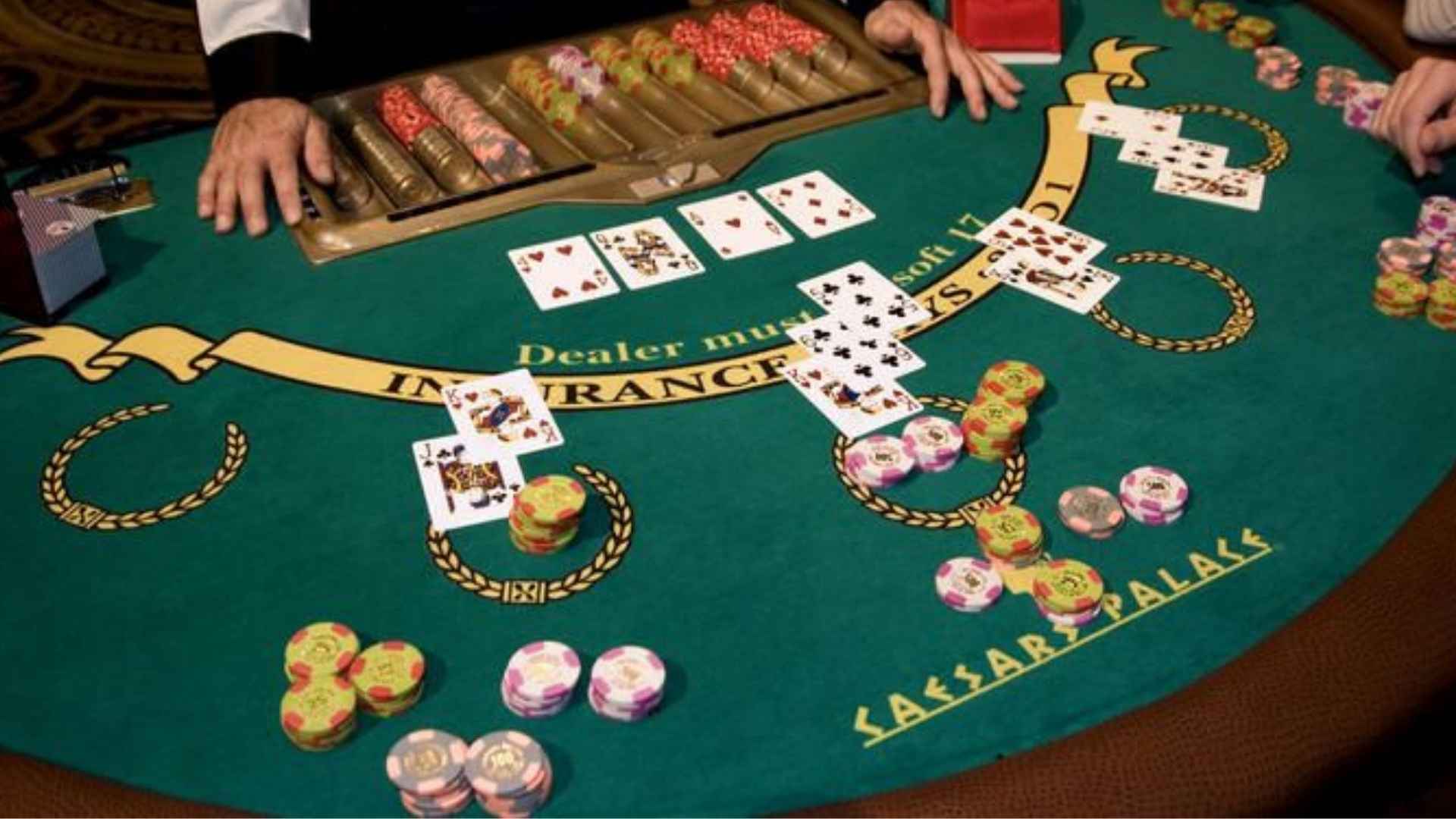
Blackjack stands out among modern card games because it requires a profound combination of mathematical calculation and psychological self-control to achieve long-term success. While many players focus entirely on memorizing optimal charts, the true deciding factor at the virtual tables is your ability to maintain composure under shifting conditions. Developing a structured routine can transform a casual hobby into an organized, rewarding experience that respects your personal resources.
Establishing Strict Financial Boundaries
The foundation of long-term control begins long before the first hand is dealt by separating your entertainment funds from regular living expenses. Setting a firm stop-loss threshold ensures that an unexpected sequence of cards never impacts your daily financial security. Experienced enthusiasts divide their session capital into smaller units to ensure they do not deplete their resources during brief downswings.
Sticking to fixed unit sizes helps mitigate the sudden emotional urge to increase stakes rapidly following an annoying loss. Exploring established digital platforms like the M88 casino provides a structured landscape where players can explore diverse limits that fit their personal risk profiles perfectly. This disciplined allocation shifts the focus away from short-term financial recovery toward proper execution.
Relying on Probability over Intuition
A major obstacle to maintaining consistent discipline is the psychological trap of relying on internal gut feelings during stressful hand distributions. Every scenario on the green felt has an established mathematical response that minimizes the mathematical advantage held by the house over time. Diverging from verified guidelines based on emotional reactions usually compromises your performance and accelerates unnecessary losses.
Treating every round as an isolated statistical event helps prevent common cognitive fallacies, such as believing a specific outcome is overdue. Maintaining a rigorous focus on core strategy ensures that your decisions remain logical, objective, and completely uninfluenced by past rounds. This cognitive clarity separates systematic strategists from casual players who rely purely on unpredictable luck.
Managing Emotional Reactions and Fatigue
Extended gaming sessions naturally introduce cognitive exhaustion, which slowly erodes your capacity to make sharp, logical choices under time pressure. Recognizing the initial physical indicators of frustration or tiredness is a vital skill for preserving your established session bankroll. Taking regular structural breaks allows your mind to reset and prevents impulsive betting behaviors from taking over.
Setting a fixed time limit for each individual session ensures that you always leave the table while your critical thinking skills remain fully intact. True mastery of the game is not measured by single large wins but by the sustained ability to execute proper choices consistently over several weeks. Cultivating this professional detachment remains the ultimate secret to enjoying card games responsibly and sustainably.